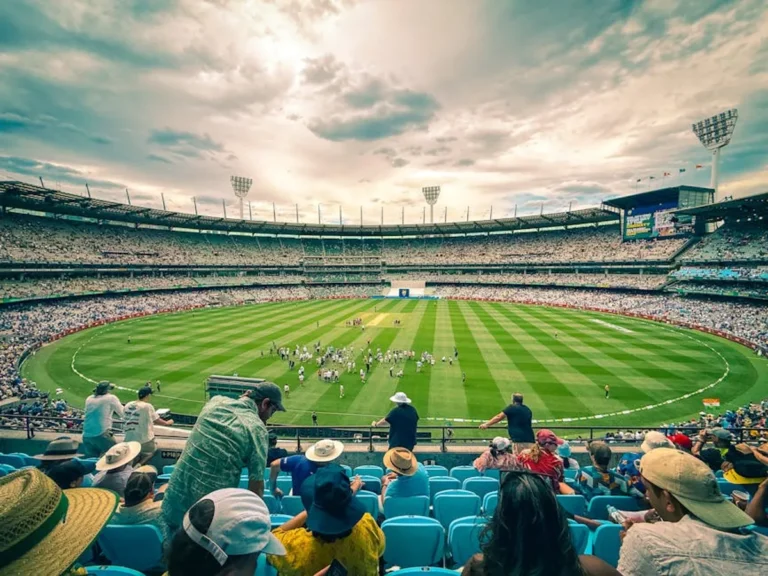

Sportsfanfare presents itself as a content hub for sports enthusiasts, covering a spectrum of topics that attract significant search interest. Analyzing its content and potential search footprint offers insights into how a specialized media property captures and retains an audience through organic channels. Understanding Sportsfanfare’s approach to topic clustering, content depth, and audience intent is key to assessing its current search visibility and future growth potential within the competitive sports media landscape.
What Sportsfanfare Appears to Cover
Sportsfanfare's content strategy appears to center on comprehensive coverage across various athletic disciplines. The site likely publishes articles on major professional leagues, including game recaps, player statistics, team analyses, and injury updates. Beyond mainstream sports, it may extend to niche interests such as e-sports, extreme sports, or collegiate athletics, catering to specific fan bases. Content categories could encompass historical retrospectives on iconic moments, biographical pieces on athletes, and deep dives into strategic plays or coaching philosophies. The site might also address the broader culture surrounding sports, including fan engagement, merchandise trends, and the impact of sports on local communities. Given the title's reference to "Safety," Sportsfanfare could also feature content discussing athlete well-being, injury prevention, fair play, or responsible fan behavior, positioning these as critical aspects of the sports experience. Regarding "Alternatives," the site may publish articles comparing different training methods, equipment choices, or even alternative viewing platforms for sports events, providing informational value to its readership.
Where Its Search Traffic May Come From
Sportsfanfare likely draws search traffic from several distinct intent types. A substantial portion would originate from informational queries, such as "who won [game/championship]," "player stats for [athlete]," or "rules of [sport]." These queries often spike around live events or during peak seasons. Another segment could come from long-tail keywords related to specific historical events, obscure facts, or detailed analyses, indicating a more dedicated, research-oriented audience. Navigational searches, where users directly type "Sportsfanfare" into a search engine, would signify existing brand recognition and loyalty. Additionally, if the site covers sports equipment, training programs, or event tickets, it might capture commercial investigation traffic from users researching "best [sports gear]" or "how to get tickets for [event]," although the content would frame this as informative rather than direct sales advice.
Search Intent Behind Sportsfanfare
The content published by Sportsfanfare primarily targets informational and, to a lesser extent, commercial investigation intent. Informational intent is served by articles offering news updates, game analyses, player profiles, and historical context. Users seeking answers to specific questions about scores, schedules, or athlete performance would find value. Commercial investigation intent might be addressed through content that compares different sports-related products or services, discusses the merits of various training methodologies, or reviews sports-related media. For instance, an article comparing different types of running shoes would satisfy a user researching a purchase, without directly selling a product. The site's content aims to educate and inform its audience, building authority and trust within the sports niche, which in turn supports its search visibility.
Why Traffic May Rise or Fall
Sportsfanfare's organic traffic patterns are inherently tied to the cyclical nature of sports seasons and major events. Traffic typically surges during significant championships, tournaments, or off-season news cycles (e.g., drafts, free agency periods). Conversely, traffic may dip during quieter periods or off-seasons for its primary sports coverage. Search engine algorithm updates also play a critical role; changes affecting news freshness, topical authority, or content quality can significantly impact visibility. The competitive landscape, with numerous sports media outlets vying for attention, also influences traffic. A decline in content freshness, a lack of comprehensive coverage on trending topics, or a failure to adapt to evolving search user preferences could lead to decreased organic visibility.
How the Site Could Improve Organic Visibility
To enhance its organic visibility, Sportsfanfare could focus on several strategic areas. Developing deeper, more authoritative content clusters around specific teams, players, or sports could establish it as a go-to resource, capturing a wider array of long-tail queries. Implementing structured data markup for sports events, scores, and player profiles could improve its presence in rich results and answer boxes. Expanding into evergreen content that remains relevant outside of seasonal peaks, such as "history of [sport]" or "greatest moments in [league]," can provide a stable baseline of traffic. Regular content audits to identify and address content gaps, refresh outdated information, and improve internal linking would also contribute to better crawlability and authority distribution across the site. Furthermore, optimizing for mobile-first indexing and ensuring rapid page load times are fundamental technical improvements that support organic performance.
What to Check Before Trusting Traffic Estimates
When evaluating third-party traffic estimates for Sportsfanfare or any content site, it is crucial to exercise caution. These tools often rely on sample data and algorithmic projections, which may not accurately reflect actual site performance. Key factors to consider include the methodology of the estimation tool, the recency of its data, and its ability to differentiate between human and bot traffic. Geographic distribution of the audience can also skew estimates if the tool's sample is not representative of Sportsfanfare's target regions. Without direct access to internal analytics platforms, any external traffic figures should be treated as directional indicators rather than precise measurements. Variations in keyword ranking data, particularly for highly volatile news-driven queries, can also lead to discrepancies in perceived traffic.
Frequently Asked Questions About Sportsfanfare's Content
What types of sports does Sportsfanfare typically cover?
Sportsfanfare likely covers a broad range of sports, from major professional leagues like football, basketball, and soccer, to niche interests such as collegiate athletics, e-sports, and historical sports events, providing diverse content for various fan bases.
How does Sportsfanfare attract its audience through content?
The site attracts its audience by publishing timely news, in-depth analyses, player statistics, historical retrospectives, and discussions around sports culture, catering to informational and commercial investigation search intents.
What is the typical depth of articles on Sportsfanfare?
Articles on Sportsfanfare likely range from concise news updates and game recaps to comprehensive analytical pieces, player biographies, and detailed historical accounts, offering varied content depth to satisfy different reader needs.
Could Sportsfanfare expand into new content areas?
Yes, Sportsfanfare could expand its content by exploring underserved sports niches, creating more evergreen content on sports history or training, or developing comprehensive guides on athlete well-being and sports ethics.