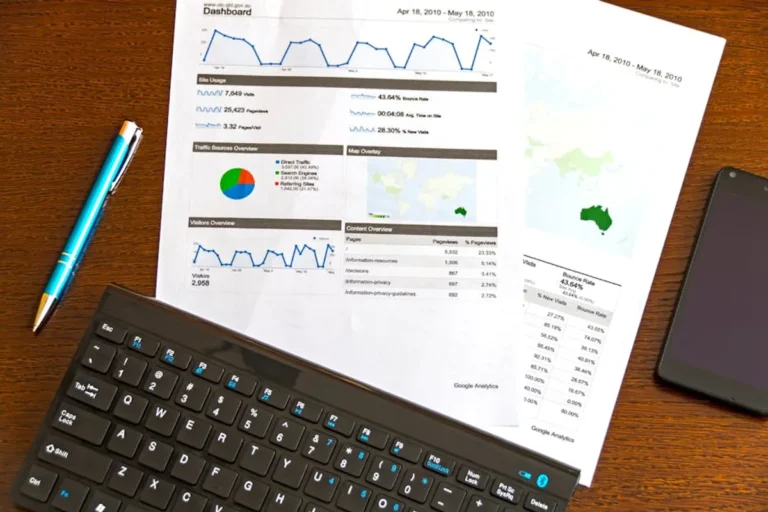

Analyzing the search presence of Gobackpacking provides insight into its content strategy, target audience, and competitive positioning within the travel niche. For SEO professionals, understanding a domain like Gobackpacking involves dissecting its topical authority, identifying key search intent patterns, and evaluating its potential for organic growth. This perspective helps in assessing how the site captures and retains visibility for queries related to backpacking, travel planning, and destination-specific information, without directly reviewing any services or products it might offer.
What Gobackpacking Appears to Cover
Gobackpacking's content strategy centers on providing comprehensive resources for travelers interested in backpacking. The site typically publishes articles covering a broad spectrum of travel topics, including detailed destination guides for various regions globally, such as Southeast Asia, Europe, and South America. It delves into practical aspects like budget travel strategies, visa requirements, and itinerary planning, often segmented by trip duration or specific travel styles. A significant portion of its content addresses gear recommendations, offering insights into what equipment to pack for different climates and activities, from hiking essentials to photography setups. The editorial voice is generally informative and experiential, often incorporating personal anecdotes and advice from seasoned travelers. Content depth varies but frequently includes long-form articles, structured guides, and curated lists designed to answer specific traveler questions. The site also covers topics related to travel safety, discussing personal security, health precautions, and navigating cultural nuances in various countries. Furthermore, it explores alternative travel styles or approaches within the backpacking sphere, offering comparative content for different experiences, such as solo travel versus group tours, or specific modes of transport.
Where Its Search Traffic May Come From
Gobackpacking likely derives a substantial portion of its organic search traffic from informational queries. Its visibility patterns suggest a strength in ranking for long-tail keywords related to specific destinations, activities, and practical travel advice. For instance, queries such as "best backpacking routes in Thailand," "how to travel Europe on a budget," or "essential gear for a round-the-world trip" are areas where such a site would aim to establish authority. Traffic indicators would point to a significant volume of users in the research phase of their travel planning. The site's niche positioning within the backpacking segment allows it to compete effectively against broader travel blogs and official tourism websites by offering specialized, in-depth content tailored to this specific audience. Seasonal trends in travel naturally influence its traffic, with peaks often aligning with popular travel seasons or holiday planning periods. Direct and branded searches for "Gobackpacking" also contribute, indicating a segment of its audience recognizes the brand as a go-to resource.
Search Intent Behind Gobackpacking
The content published by Gobackpacking primarily targets users with informational and, to a lesser extent, commercial-investigational intent.
Informational Intent: A significant portion of its audience comprises aspiring backpackers seeking foundational knowledge, experienced travelers researching new destinations, and individuals looking for practical advice on logistics, budgeting, and cultural integration. Examples include searches like "how to get a working holiday visa," "cost of living in Southeast Asia for travelers," or "best hostels in Berlin."
Commercial-Investigational Intent: While not a direct e-commerce site, Gobackpacking's content often influences purchasing decisions. Users researching "travel insurance for long-term trips," "lightweight backpacking tents review," or "best travel backpacks" are in the consideration phase, using the site's content to inform their choices before making a purchase elsewhere. The site also attracts those looking for alternatives to common travel methods or destinations, indicating a desire for varied options and comprehensive comparisons.
Navigational Intent: Users directly searching for "Gobackpacking" or specific article titles from the domain indicate a returning audience or those referred by external sources who know the site by name.
Audience segments include budget-conscious adventurers, gap-year students, digital nomads, and individuals planning extended international trips.
Why Traffic May Rise or Fall
Gobackpacking's organic traffic can fluctuate based on several factors. Consistent publication of fresh, high-quality content that aligns with current travel trends and search demand is a primary driver for traffic growth. Strong internal linking, effective use of structured data for travel-related entities (like destinations, itineraries, or reviews), and maintaining a technically sound website are crucial. Adapting to shifts in search engine algorithms, particularly those emphasizing experience, expertise, authoritativeness, and trustworthiness (E-E-A-T) for travel content, directly impacts visibility. External factors like global travel restrictions, economic downturns affecting leisure travel, or increased competition from new travel blogs or established media outlets can lead to traffic declines. Conversely, a surge in interest for specific travel styles or destinations covered by the site, coupled with a proactive content update strategy, can significantly boost visibility and traffic.
How the Site Could Improve Organic Visibility
To enhance its organic visibility, Gobackpacking could focus on several strategic areas. Expanding its content to cover underserved micro-niches within backpacking, such as specific regional treks, sustainable travel practices, or niche gear comparisons, could capture new long-tail search demand. Integrating more multimedia elements, such as embedded video guides, interactive maps, or detailed photo essays, can improve user engagement and time on page, signaling quality to search engines. A robust technical SEO audit to ensure optimal Core Web Vitals, mobile responsiveness, and efficient crawlability across all devices is essential. Developing a strategic backlink acquisition program, focusing on earning authoritative links from other reputable travel publications, tourism boards, and relevant online communities, would bolster its domain authority. Furthermore, fostering community engagement through comments, forums, or user-generated content sections could create fresh, relevant content and improve user signals. Regularly updating existing evergreen content with current information, new insights, and expanded details also helps maintain relevance and search rankings.
What to Check Before Trusting Traffic Estimates
When evaluating search traffic estimates for a domain like Gobackpacking, it is crucial to approach the data with a critical perspective. Third-party SEO tools rely on proprietary algorithms and sample data, which can lead to discrepancies. These tools may not capture the full spectrum of long-tail or highly localized keywords that a niche travel site might rank for, potentially underestimating actual organic reach. Traffic estimates also rarely account for direct traffic, referral traffic from social media or partnerships, or brand-specific searches that don't pass through a search engine. Seasonal fluctuations inherent in the travel industry mean that a snapshot of traffic may not represent annual performance accurately. Therefore, while estimates offer a useful directional indicator, they should be cross-referenced with internal analytics data (if available) for a comprehensive understanding of a site's true performance and audience engagement.
Frequently Asked Questions About Gobackpacking's Content
What types of travel content does Gobackpacking typically publish?
Gobackpacking frequently publishes detailed destination guides, practical advice on budget travel, itinerary planning, and comprehensive articles on travel gear recommendations and packing lists for various backpacking trips.
How does Gobackpacking address safety topics for travelers?
The site covers topics related to travel safety, including advice on personal security in different regions, health precautions for international travel, and navigating local customs to ensure a safer backpacking experience.
What audience segments does Gobackpacking attract through search?
Gobackpacking primarily attracts aspiring backpackers, experienced travelers seeking new destinations, budget-conscious adventurers, and individuals planning extended international trips, all looking for informational and planning resources.
What kind of alternatives does Gobackpacking discuss within its content?
Gobackpacking explores alternative travel styles or destinations, offering comparative content for different backpacking experiences, such as comparing solo travel versus group tours, or alternative routes and modes of transport.